
Hostile Reconnaissance and Pre-Incident Surveillance
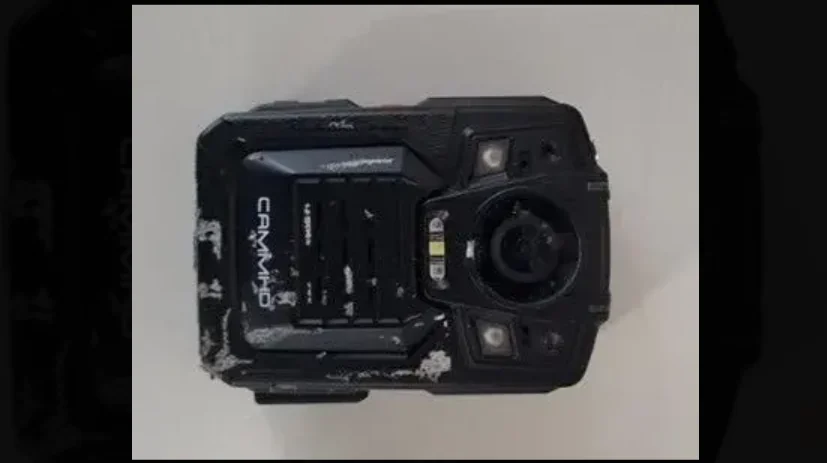
On Mar 30, 2026, York Regional Police warned the public about camouflaged cameras with battery packs that had been found hidden in trees and bushes on two residential properties in Vaughan, Ontario. Police said the footage showed the cameras had been placed to record the homeowners' routines so the suspects could plan break-ins. Halton Regional Police issued a similar warning on Apr 21, 2026, after a homeowner in Milton found a hidden camera on his property. Although these cases involved private homes, the same behaviour occurs at industrial and commercial sites. People planning a theft, an act of sabotage, or a protest action generally spend time learning about a site before they act, which security practitioners refer to as hostile reconnaissance.
What Reconnaissance Looks Like
The type of reconnaissance that people conduct depends on what they plan to do. A person planning to steal copper or equipment will generally want to know when a site is unstaffed and whether it has cameras or alarms, so they are likely to test the perimeter and take photos of guard towers or equipment. A protest group planning a lock-on or blockade is more likely to look at access roads and gates, and at which equipment would cause the most disruption if it were stopped.
At a remote site, reconnaissance might involve the same vehicle parked on an access road over several days, or someone photographing gates and camera positions from outside the fence. In July 2026, the RCMP in New Brunswick arrested a man in connection with the theft of copper wire from a telecommunications tower in Seeley's Cove, a location police said had been targeted several times before. Repeat incidents at the same site can suggest that the people involved have learned its routine and expect little or no response.
Research Done Online
Satellite imagery often shows a site's fencing and parked equipment, while job postings and project updates can reveal shift patterns and the names of contractors. Activist groups sometimes share maps of project sites and equipment locations with supporters ahead of planned actions. When most of the research is done online, a person may only need one short visit to confirm what they found, which gives staff fewer chances to notice them.
The Role of Frontline Staff
The people who work at a site every day are generally the best placed to notice when something is out of place, because they know what normal activity there looks like. A security guard or site worker can often tell a delivery driver who has taken a wrong turn from someone who keeps returning without a clear reason. Asking the person whether they need help is usually enough to clarify the situation, and it also shows that the site is being watched. Most unusual activity near a site has an innocent explanation. When staff log what they see in one place, though, a vehicle noticed at one gate this week and at another gate the following week is more likely to be connected.
What This Means for Organizations
Remote sites and sites where equipment is left out overnight tend to be the most exposed to reconnaissance for theft and sabotage. Projects that have drawn organized opposition also face the possibility of protest groups scouting a site ahead of an action. Planning generally starts with deciding what staff should report and to whom, and with keeping those reports somewhere they can be reviewed together. Varying the timing of patrols makes it harder for an observer to identify a routine, and visible security measures may persuade someone to look elsewhere.
The Role of Digital Investigative Intelligence
Online monitoring can show reconnaissance that staff at a site would not see. Photos and videos of a facility are sometimes posted to social media, and some posts ask about shift times or how to access a site. When staff report something unusual, open-source research can help establish whether a vehicle or online account has been linked to earlier incidents or protest activity directed at the organization. A review of the organization's own public information also shows what an outsider can learn without visiting the site.
Conclusion
Reconnaissance is one of the few stages of a planned incident where the person involved has to watch or be physically present to research the target, and that activity can be noticed. Organizations that encourage staff to report unusual activity, and that review what their public information reveals, are generally better placed to detect that planning before it turns into an incident.
About 3Si Risk Strategies
3Si provides security and emergency management consulting, threat risk assessments, security planning, and public safety advisory services.
Learn more about our services or contact our team.