
Cover Identities and Unauthorized Site Access
Most organizations have controls for who enters their buildings and work sites, but those controls tend to rely on staff recognizing when someone does not belong. Individuals who want to observe or access a site without being questioned often get around this by adopting a cover identity that gives them a plausible reason to be there. In June, we looked at how organizations vet who is attending large events. This week's read looks at the same problem in day-to-day operations, at facilities ranging from offices and retail properties to industrial plants and construction sites.
Common Cover Identities
Individuals have been known to present themselves as photographers, journalists, bird watchers, or contractors in order to approach or enter a site. Each of these roles gives a person a reasonable explanation for carrying a camera, asking questions, or walking through a controlled gate.
Someone presenting as a photographer or bird watcher can explain long periods spent in one place with a telephoto lens, often from a public road or trail where they are entitled to stand. Individuals presenting as journalists may ask staff for comment or request a tour, relying on the reluctance of employees to turn away someone who appears to represent the media. Those posing as contractors or service technicians tend to rely on appearance, since a uniform or high-visibility vest is inexpensive and is rarely questioned at a busy site.
In most cases the cover identity supports observation, such as documenting equipment, entrances, or shift change times. Activists may later use that material in campaign content or regulatory submissions, while criminal actors may use it to plan theft. Less often, the cover identity is used to get inside in order to disrupt work, stage an action, or remove property.
Why It Works
In many workplaces, staff are divided into distinct teams, so employees often do not know everyone who works on the same site. Employees from different departments or contractors work in the same space, and delivery drivers or inspectors may only visit once. In that setting an unfamiliar face is normal, and many staff will assume that someone who looks the part has already been cleared by someone else.
Frontline staff are also generally not trained to challenge visitors, and many are reluctant to confront a person who claims to be a member of the media or a client representative. Asking questions can feel confrontational, particularly when the individual is confident and friendly.
Warning Signs
Individuals using a cover identity often show small inconsistencies. A photographer may focus on gates and equipment rather than the landscape or wildlife they say they are interested in. A self-identified journalist may be unable to name an outlet or may decline to leave contact information. Someone claiming to be a contractor may be unfamiliar with site procedures or may avoid reception or the site office altogether. Repeat visits by the same person or vehicle, particularly around shift changes or major deliveries, should be recorded even when each visit appears harmless on its own.
What Organizations Can Do
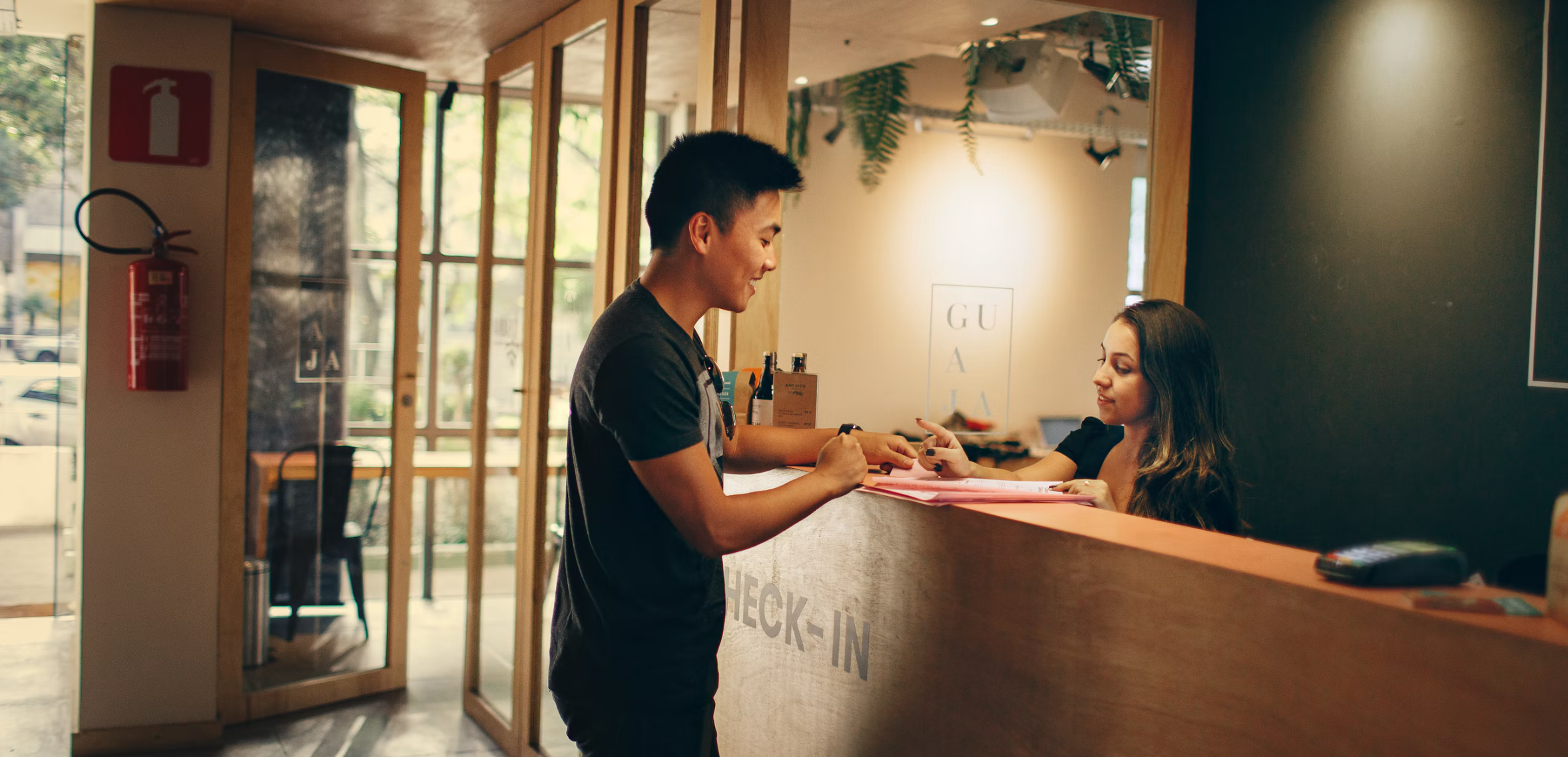
Most of the measures that address this risk are procedural. A sign-in process that applies to everyone, including people who appear to be contractors, removes the assumption that someone else has already checked. Media requests should be directed to a single communications contact, and frontline staff should know that they can politely decline to comment or provide access. Staff should also have a simple way to report unfamiliar individuals or vehicles near the site, and those reports should be logged so that patterns become visible over time.
The Role of Digital Investigative Intelligence
Material gathered under a cover identity often appears online later, in social media posts or campaign updates. Monitoring can identify when photographs or footage of a site begin to circulate and, in some cases, connect that material to individuals previously seen nearby. Open-source research can also help confirm whether a person claiming to be a journalist or contractor is who they say they are before access is granted.
Conclusion
Most people near a facility with a camera or a clipboard have a legitimate reason to be there, and treating every photographer or visitor as a threat would be impractical. When access procedures apply to everyone equally and staff feel comfortable asking questions, a cover identity becomes much harder to use.
About 3Si Risk Strategies
3Si provides security and emergency management consulting, threat risk assessments, security planning, and public safety advisory services.
Learn more about our services or contact our team.