The Evolution of the Protest Industry
Introduction
The protest industry has evolved into a complex and professionalized network that significantly impacts businesses. Understanding its structure, tactics, and influence is critical for companies to safeguard their operations, reputation, and personnel. This brief provides insights into the protest industry, highlights key trends affecting businesses in British Columbia, and offers practical mitigation strategies.
The Evolution of the Protest Industry
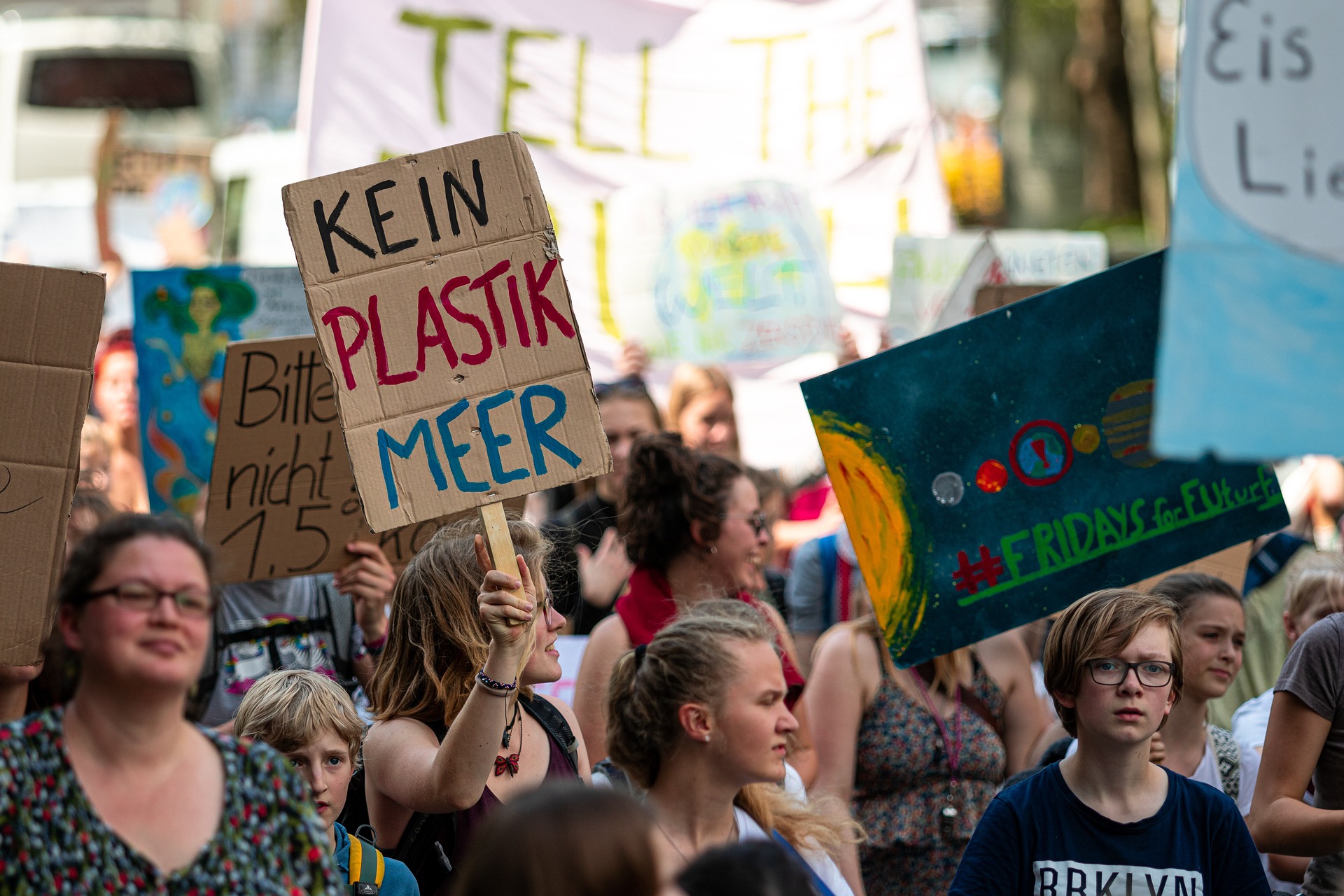
Activism today is evolving, targeting not just industries but also businesses and executives. The traditional image of protesters as well-meaning neighbors, passionate about the environment or social justice, is increasingly outdated. While such individuals still exist-and their democratic right to protest is important to recognize-they are no longer the key drivers of today's movements. Instead, modern protest has transformed into a professionalized industry, bolstered by significant funding and staffed by individuals whose sole responsibility is to organize disruptions targeting businesses and industries.
Positions such as "campaign organizer" or "community canvasser" can command salaries exceeding $100,000 annually. Meanwhile, major environmental and non-governmental organizations (ENGOs) like STAND, 350.org, and the David Suzuki Foundation collectively generate millions of dollars each year. This financial power enables these organizations to fund extensive activities while carefully managing their public image to appear grassroots and community-driven.
What is particularly striking is how these activists adapt to follow the media spotlight-and, by extension, funding opportunities. Many of these groups rely entirely on donations, meaning their actions must align with whatever issues are currently capturing public attention. For example, after years of campaigning against Alberta's "tar sands," some environmental organizations shifted their focus to liquefied natural gas (LNG) projects as global attention turned in that direction. This isn't always just about funding; in some cases, activists strategically jump between causes to amplify their reach.
This strategy, known as "cross-movement solidarity," involves activists and resources being shared across different protests to create the illusion of widespread opposition. In reality, a relatively small group of individuals willing to engage in disruptive or illegal actions is pooling its efforts to maximize visibility and impact.
Professional protest organizations are also acutely aware of the importance of maintaining a strong public image to secure funding. They position themselves as benign, well-meaning advocates for the environment, employing sophisticated media and public relations teams to shape campaigns that resonate with the broader public. This approach enables them to attract large crowds to rallies, often convincing people who don't typically participate in protests-such as the aforementioned well-meaning neighbors-to join in.
Behind the scenes, however, large ENGOs often channel funding into direct-action groups responsible for frontline disruptions like blockades and illegal activities. They may finance activists' travel to protest sites, anonymously donate substantial sums to direct-action groups, and provide training in specialized skills like climbing for aerial blockades or techniques to avoid arrest during confrontations. These activities allow ENGOs to sustain their public image as peaceful advocates while indirectly fueling more aggressive and disruptive tactics.