Community Pressure and the Role of Public Forums
Not all opposition to projects or developments takes the form of protest or disruption at a work site. In many cases, groups adopt lower-profile, non-violent approaches that focus on influencing public perception and political decision-making. Government lobbying, community organizing, and participation in public forums are common tactics used to generate ill will toward a project or development.
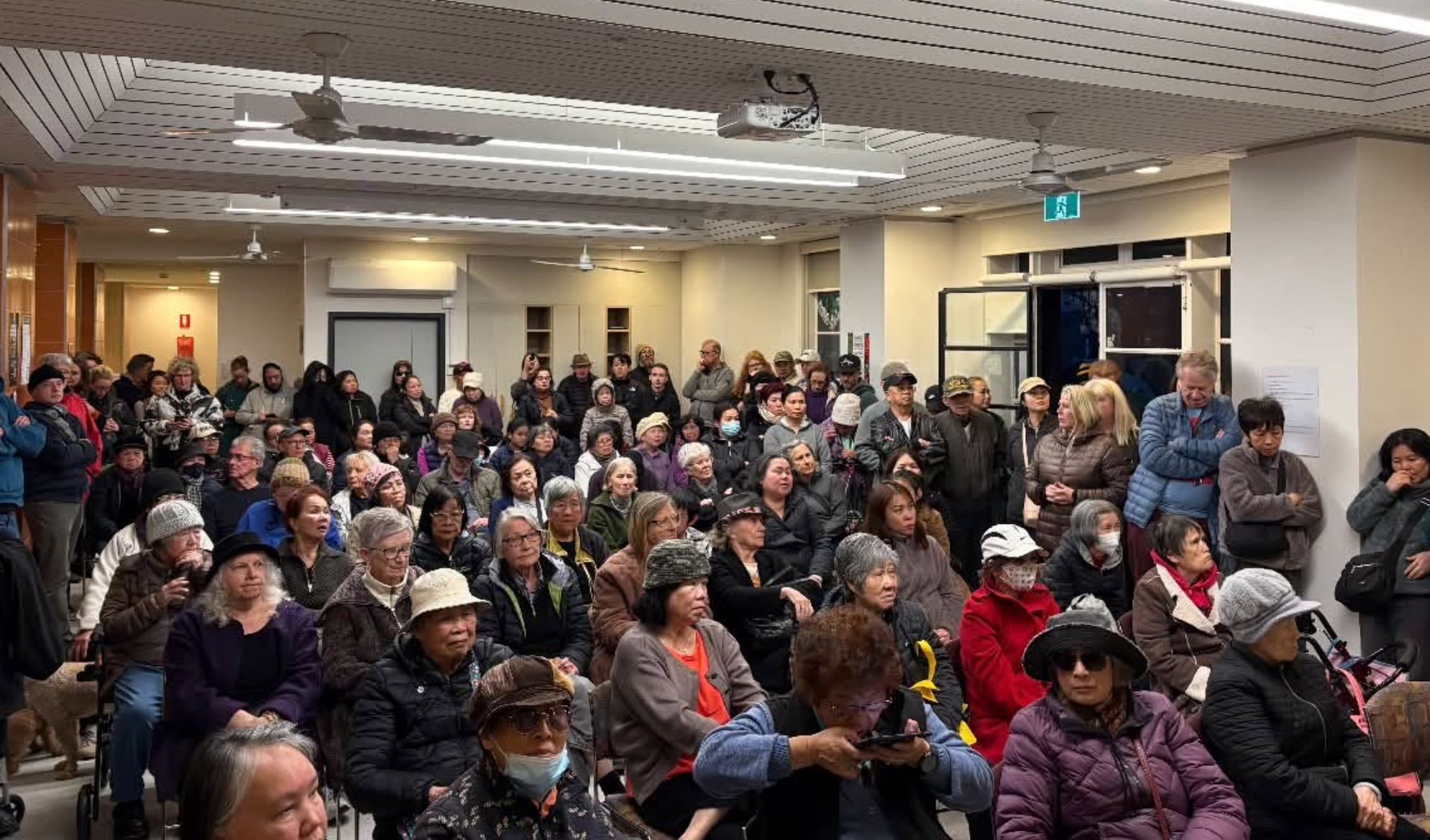
Town halls, public consultations, and information sessions are often focal points for this activity. These settings provide an opportunity for concerned residents, advocacy groups, and community leaders to raise questions, challenge project assumptions, and voice opposition in a visible and legitimate forum. While this type of engagement is a normal and important part of the consultation process, it can also be used strategically to shape narratives and apply pressure.
Small Groups, Visible Impact
One of the defining features of this approach is that it does not require large numbers to be effective. A relatively small group of coordinated participants can dominate a discussion, ask targeted questions, and create the impression of widespread opposition. This can be particularly impactful when participants present themselves as local residents, community representatives, or individuals directly affected by a project.
From an optics perspective, resident-led opposition often carries more weight than external activism. Elected officials, regulators, and media outlets tend to respond more strongly to perceived community concerns, especially when those concerns are framed around local impacts such as safety, environmental effects, or quality of life. As a result, even limited dissent can influence how a project is perceived.
Over time, this can lead to broader consequences. Sustained community pressure may contribute to increased regulatory scrutiny, delays in approvals, or shifts in political support. Decision-makers may become more cautious if there is a perception that a project lacks community backing, regardless of the overall level of support.
Beyond the Public Forum
Activity in public forums is often supported by coordination outside of formal settings. Advocacy groups and organizers may encourage residents to attend meetings, submit questions, or raise specific issues. They may also promote letter-writing campaigns, organize submissions to regulators, or share guidance on how to engage with policymakers.
These efforts are typically visible online. Social media platforms, community forums, and messaging groups are used to coordinate attendance, share talking points, and amplify concerns. In many cases, the same individuals or groups are active across multiple channels, helping to sustain momentum and reinforce messaging.
The Role of Digital Intelligence
Digital intelligence can help organizations better understand how community pressure is developing and where it may be heading. Monitoring online discussions can provide early visibility into whether specific individuals or groups are encouraging attendance at upcoming meetings, circulating messaging, or organizing coordinated engagement.
This type of monitoring can also help identify recurring participants or instigators who play a central role in mobilizing others. While participation in public processes is legitimate, understanding who is driving activity can provide useful context for assessing how organized or sustained that activity may be.
In addition, digital intelligence allows organizations to track how narratives are evolving. Issues raised in one forum may be repeated or adapted in others, and certain themes may gain traction over time. Identifying these patterns early can help organizations prepare more effectively for future engagement, including anticipating the types of questions or concerns that may arise.
Planning for Constructive Engagement
Managing this type of pressure is less about security in the traditional sense and more about preparation and consistency. Public forums are expected to involve differing views, and attempts to restrict participation can create additional reputational risk. Instead, organizations benefit from being prepared to engage in a way that is structured, transparent, and responsive.
This includes ensuring that staff participating in public sessions are aligned on key messages, understand the context of the project, and are prepared to respond to recurring concerns. It also involves setting clear expectations for how sessions will be conducted, including how questions will be managed and how discussions will be facilitated.
Scenario planning can be useful in preparing for meetings where coordinated opposition is likely. Working through potential scenarios - such as repeated questioning, attempts to dominate discussion, or highly visible expressions of dissent - can help teams respond calmly and consistently.
Conclusion
Community engagement is a core part of how projects are developed and evaluated, and participation by residents and local groups is both expected and appropriate. At the same time, these processes can be used strategically to shape perception and apply pressure over time.
For organizations, the challenge is not to avoid this engagement, but to understand it. By using digital intelligence to monitor emerging activity and by preparing teams to respond effectively in public forums, organizations can navigate community pressure in a way that supports both operational objectives and constructive dialogue.
About 3Si Risk Strategies
3Si provides security and emergency management consulting, threat risk assessments, security planning, and public safety advisory services.
Learn more about our services or contact our team.