The Protest Industry: A Growing Challenge for Canadian Businesses
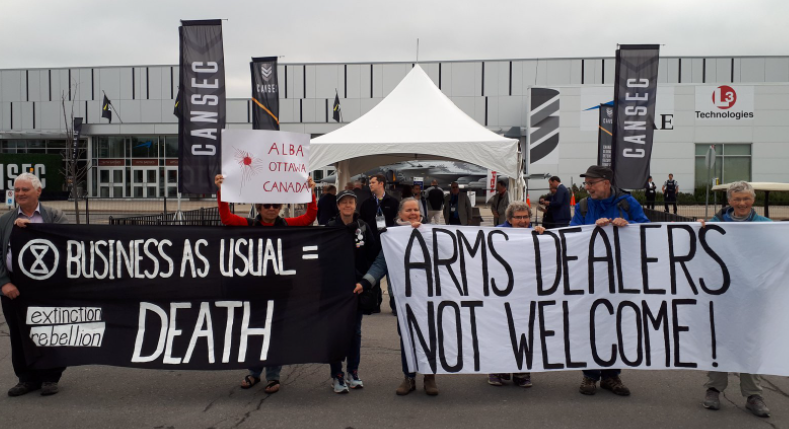
Activism today is evolving, targeting not just industries but also businesses and executives. The traditional image of protesters as well-meaning neighbors, passionate about the environment or social justice, is increasingly outdated. While such individuals still exist-and their democratic right to protest is important to recognize-they are no longer the key drivers of today's movements. Instead, modern protest has transformed into a professionalized industry, bolstered by significant funding and staffed by individuals whose sole responsibility is to organize disruptions targeting businesses and industries. Understanding the structure, tactics, and influence of the protest movement is critical for companies to safeguard their operations, reputation, and personnel.
Protest as Profession
Today's protest movements are often organized not by spontaneous grassroots action, but by full-time campaigners and advocacy professionals. Job titles like "campaign organizer" or "movement strategist" can command six-figure salaries. Some large NGOs manage multi-million-dollar budgets, which do not only fund advocacy-they fuel highly coordinated actions targeting companies and industries.
It's not uncommon for these organizations to fund travel to protest sites, train activists in tactics like aerial blockades, or bankroll groups willing to engage in unlawful disruption - all while maintaining a public-facing image of being peaceful and community-led.
The Business of Disruption
One of the defining features of modern protest movements is adaptability. Activists are quick to shift focus to whatever topic is trending-whether that's liquefied natural gas (LNG), old-growth logging, or industrial development. This opportunistic model ensures media visibility, donation spikes, and viral reach.
The term "cross-movement solidarity" has emerged to describe the way activists, resources, and tactics are shared across causes. A small group of highly trained individuals can now orchestrate national-level protests-giving the illusion of mass mobilization. For businesses, this means facing campaigns that are often larger and louder than the reality behind them.
The Risks to Business
- Disinformation: One of the most difficult challenges businesses face is the deliberate spread of false narratives. Online platforms make it easy for misinformation to spread quickly, damaging reputations, confusing stakeholders, and sparking outrage. Left unaddressed, disinformation can drive regulatory scrutiny, customer loss, and internal disruption.
- Reputational Attacks: Companies are increasingly expected to take positions on polarizing issues. Those that don't-or that take the "wrong" stance-can face boycotts, protests, or even targeted harassment. RBC, for example, has been a frequent protest target for its fossil fuel financing. Protesters have chained themselves to branches and staged sit-ins, demanding customers switch banks. Similar tactics have been used against retailers like Lululemon and Mitsubishi over environmental concerns.
- Escalation of Tactics: While many demonstrations remain peaceful, some escalate into blockades, vandalism, or violence. The Fairy Creek logging protests involved activists chaining themselves to heavy machinery and erecting dangerous tree-sits. Such tactics are increasingly viewed as acceptable, particularly when used to "stop" projects framed as harmful.
- Executive Targeting: Senior leaders are also increasingly in the crosshairs. Protests outside personal homes, online doxxing, and even violence - like arsons at executives' homes, assault, or even murder - have been reported. When executives are seen as avatars of their company's values or policies, their personal safety may come under threat.
What Businesses Can Do
- Invest in OSINT: Open-source intelligence (OSINT) can help identify emerging narratives, track protest chatter, and spot high-risk events before they escalate. Even a few hours of advance notice can make a significant difference in effectively managing a crisis.
- Plan for Disruption: Have a clear crisis response plan that outlines roles, communication protocols, and legal considerations. Some companies create designated protest zones, prepare media statements in advance, or assign a protest liaison to de-escalate situations quickly.
- Harden Your Targets: From securing physical assets to ensuring executive protection, it's important to assess which parts of your business are vulnerable. Infrastructure that represents environmental or political controversy is especially at risk.
- Avoid Overreaction: Not all protests are equally threatening. Tailor your response to the specific actors and tactics involved. Over-policing peaceful gatherings can damage public perception, while underestimating a coordinated campaign can lead to costly disruption.
Looking Ahead
Protest movements are learning from each other. Each campaign builds on the last-sharing tactics, messaging, and organizing infrastructure. The rise of encrypted platforms and anonymous donations only increases the complexity.
For businesses, this evolving landscape demands more than just good PR. It requires strategic foresight, active monitoring, and a security posture that balances rights with resilience.
About 3Si Risk Strategies
3Si provides security and emergency management consulting, threat risk assessments, security planning, and public safety advisory services.
Learn more about our services or contact our team.