Rise of the Disinformation Era - Part 1
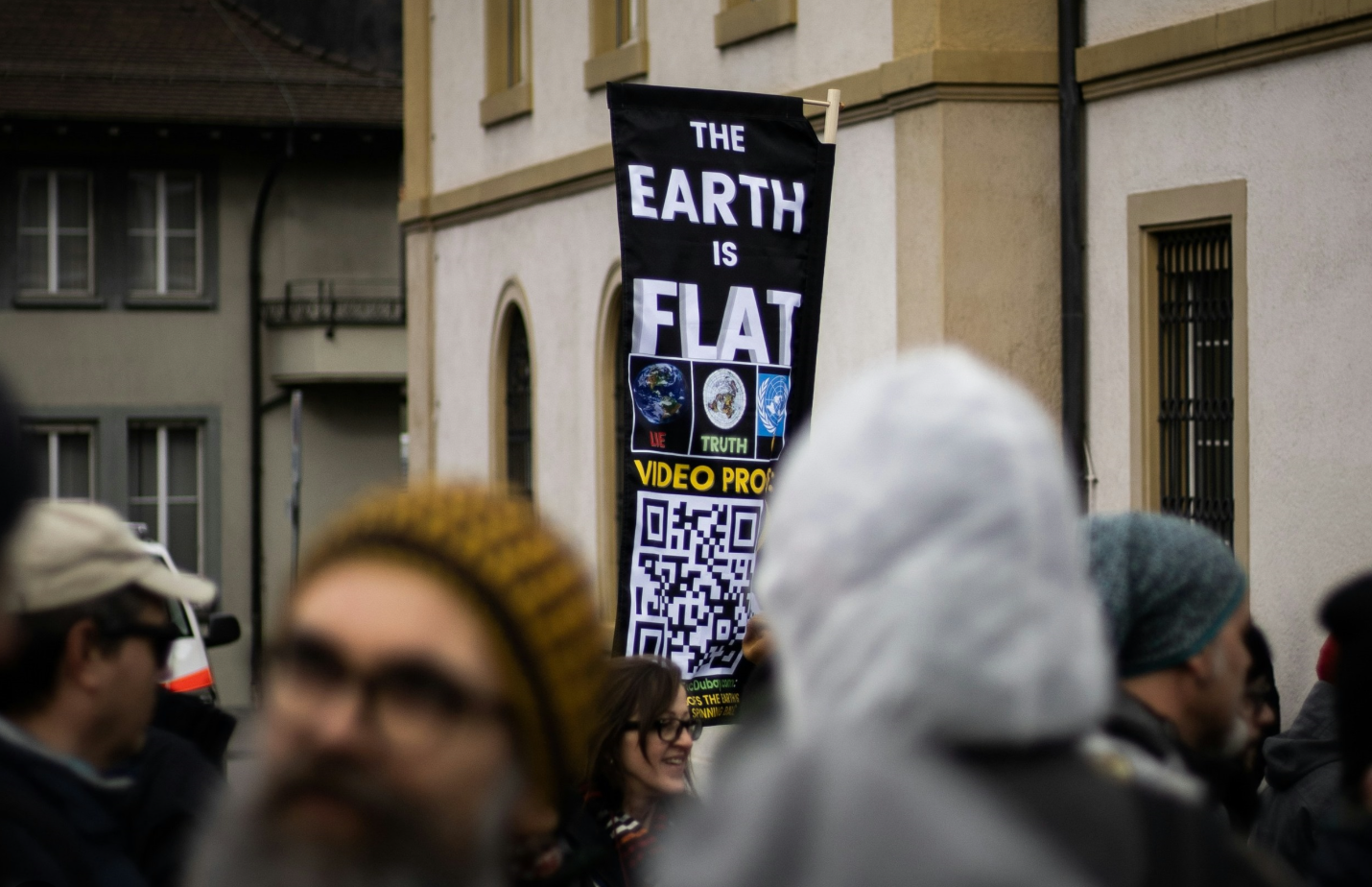
The term "conspiracy theory" refers to the belief that significant events or situations result from secret, often sinister actions by powerful groups or individuals rather than widely accepted explanations. These theories frequently challenge mainstream narratives, suggesting hidden agendas behind major historical, political, or social developments.
In recent years, the prevalence of conspiracy theories has surged, largely fueled by the rise of social media and the internet. Platforms like X (formerly Twitter), Facebook, and YouTube provide environments where such theories can spread rapidly, often gaining significant followings. Additionally, growing distrust in institutions-including governments, media, and experts-has heightened the appeal of alternative explanations. This climate of skepticism and uncertainty has made conspiracy theories more persuasive to broader audiences.
For businesses, the implications of this trend are profound. Misinformation and conspiracy-driven narratives can erode consumer trust, disrupt markets, and even alter public perception of entire industries. From false claims about product safety to politically charged boycotts, businesses are increasingly finding themselves the targets of disinformation campaigns that influence customer behavior, investor confidence, and brand reputation. Understanding the psychological and societal mechanisms that fuel conspiracy theories is essential for companies looking to mitigate risks and navigate an era where misinformation can have real financial consequences.
Several psychological and societal factors contribute to the widespread belief in conspiracy theories:
- Confirmation Bias: People naturally seek information that aligns with their existing beliefs and dismiss evidence that contradicts them. Conspiracy theories often provide explanations that reinforce pre-existing suspicions.
- Pattern Recognition: Humans have an innate tendency to identify patterns, even where none exist. Conspiracy theories weave together unrelated events into a seemingly logical narrative, satisfying the brain's need for order.
- Distrust of Authority: When trust in government institutions, media, or experts erodes, individuals may turn to alternative explanations, even those lacking credible evidence.
- Fear and Uncertainty: During times of crisis or societal instability, people seek explanations to make sense of complex or distressing events. Conspiracy theories offer a sense of clarity, even if the explanations are flawed.
- Social Influence: These beliefs often spread within social circles or online communities, reinforced by groupthink and echo chambers that silence dissenting opinions.
- Cognitive Dissonance: Accepting that events may be random or uncontrollable can be unsettling. Conspiracy theories offer simplistic narratives that reduce discomfort caused by uncertainty.
- Emotional Appeal: Many conspiracy theories empower believers by making them feel like they possess insider knowledge, fostering a sense of superiority over the "uninformed" majority.
- Media and Information Environment: The digital age accelerates the spread of misinformation, with social media algorithms often amplifying sensational or controversial content, making conspiracy theories more accessible and persuasive.
Many argue that conspiracy theories have no real consequences for businesses or society, but in reality, they can have significant impacts on both. The resurgence of once-eradicated diseases, driven by misinformation surrounding vaccinations, illustrates the tangible social and economic effects of conspiracy theories. These narratives erode public trust in businesses and government institutions, weakening confidence in industries, brands, and regulatory frameworks that define the relationship between business and government.
Consumer trust is particularly vulnerable. Studies estimate that companies affected by misinformation can experience revenue losses of 5-10% annually from a single conspiracy-driven incident. Addressing these theories requires critical thinking, media literacy, and skepticism toward unreliable sources. Open dialogue and access to accurate, evidence-based information can help curb misinformation. However, these efforts often face a fundamental challenge: conspiracy theories are designed to be self-sustaining. Any attempt to disprove them is often seen as proof of a cover-up, reinforcing the belief that powerful entities are suppressing the "truth."
From Starbucks facing boycotts over claims of an "anti-Christian" agenda to Tesla battling stock price fluctuations due to misinformation about its autopilot system, conspiracy theories have real financial and reputational consequences. Companies like Johnson & Johnson, McDonald's, and Facebook have all seen the power of viral misinformation firsthand. In Part 2, we'll dive deeper into these cases and explore how conspiracy theories continue to shape the corporate landscape.
About 3Si Risk Strategies
3Si provides security and emergency management consulting, threat risk assessments, security planning, and public safety advisory services.
Learn more about our services or contact our team.